

As a supplier of Mesh Chair Back Frames, I've had the privilege of delving deep into the intricacies of these essential components. In this blog, I'll explore the firmness of a mesh chair back frame, its significance, and how it impacts the overall quality and comfort of a mesh chair.
Understanding the Concept of Firmness
Firmness in a mesh chair back frame refers to its ability to provide stable support while maintaining a certain degree of flexibility. It's a delicate balance that can significantly influence the user experience. A frame that's too firm may feel rigid and uncomfortable, while one that's too soft might not offer adequate support, leading to poor posture and potential back problems.
The firmness of a mesh chair back frame is determined by several factors, including the material used, the design of the frame, and the manufacturing process. Let's take a closer look at each of these elements.
The Role of Materials
The choice of material plays a crucial role in determining the firmness of a mesh chair back frame. Common materials used in the production of these frames include plastic, metal, and a combination of both.
Plastic frames, such as PP GF Chair Back Frame, are lightweight and cost - effective. They can be engineered to have varying degrees of firmness. Polypropylene with glass fiber (PP GF) is a popular choice as it offers a good balance between strength and flexibility. The glass fibers reinforce the plastic, making the frame more rigid and resistant to deformation.
Metal frames, on the other hand, are known for their high strength and durability. Steel and aluminum are commonly used metals. Steel frames are extremely firm and can provide excellent support, but they may be heavier. Aluminum frames are lighter while still offering a high level of firmness and corrosion resistance.
Design Considerations
The design of the mesh chair back frame also has a significant impact on its firmness. A well - designed frame will distribute the user's weight evenly, reducing pressure points and enhancing comfort.
Some frames feature a honeycomb or lattice design. These designs not only add aesthetic appeal but also contribute to the firmness of the frame. The honeycomb structure provides a strong and stable support system, allowing the frame to withstand the forces exerted by the user without collapsing or losing its shape.
The curvature of the back frame is another important design aspect. A frame with a proper curve that matches the natural shape of the human spine will provide better support and a more comfortable sitting experience. It can help maintain the spine's natural alignment, reducing the risk of back pain and fatigue.
Manufacturing Process
The manufacturing process can also affect the firmness of a mesh chair back frame. Injection molding is a common method used to produce plastic frames. During this process, the plastic is heated and injected into a mold, where it takes the shape of the frame. The quality of the mold, the temperature and pressure used during injection, and the cooling process all influence the final firmness of the frame.
For metal frames, processes such as welding and bending are used. Welding joins different metal parts together, and the quality of the welds can affect the overall strength and firmness of the frame. Bending operations need to be precise to ensure that the frame has the correct shape and curvature.
The Significance of Firmness in Mesh Chairs
The firmness of a mesh chair back frame is directly related to the comfort and support it provides. A firm frame can help maintain good posture by keeping the spine in a natural alignment. When the back frame is firm enough to support the body, it reduces the strain on the muscles and ligaments in the back, preventing fatigue and discomfort during long periods of sitting.
In addition, a firm frame can enhance the durability of the mesh chair. It can withstand the daily wear and tear of use, including the constant movement and pressure exerted by the user. This means that the chair will last longer, providing a better return on investment for the customer.
How to Evaluate the Firmness of a Mesh Chair Back Frame
As a supplier, I understand the importance of helping customers evaluate the firmness of a mesh chair back frame. One way to do this is through a hands - on test. Customers can sit on the chair and feel the support provided by the back frame. They should pay attention to how the frame responds to their movements and whether it offers a comfortable and stable sitting experience.
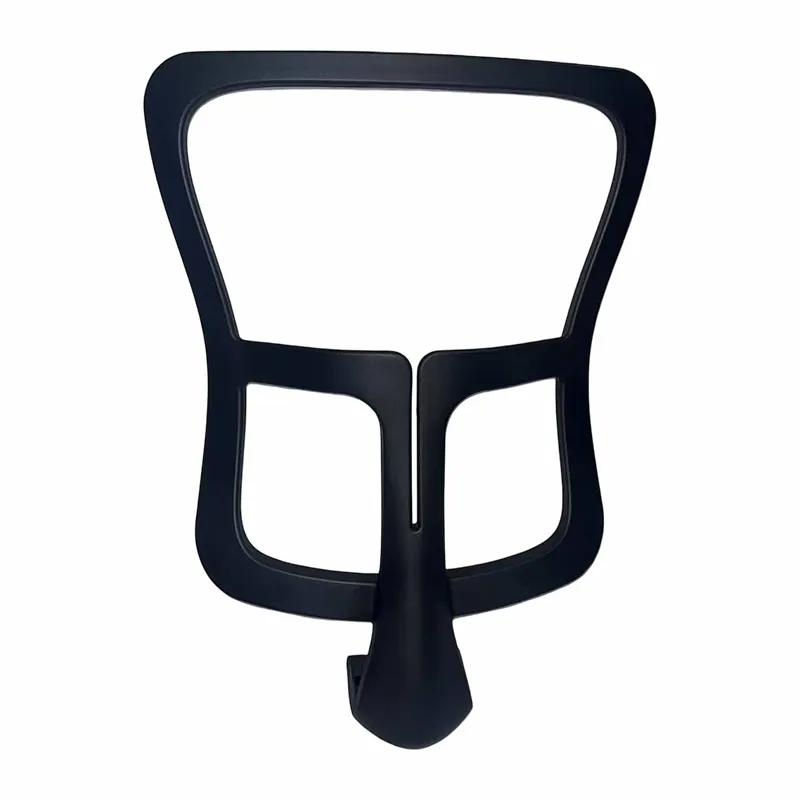

Another method is to look at the specifications provided by the manufacturer. These may include information about the material used, the design features, and the expected level of firmness. However, it's important to note that these specifications may not always accurately reflect the real - world performance of the frame.
Our Mesh Chair Back Frames
At our company, we take pride in offering high - quality Mesh Chair Back Frames. We use the latest technology and materials to ensure that our frames have the right level of firmness. Our Backrest Frame is designed with the user's comfort and support in mind.
We conduct rigorous quality control tests to ensure that each frame meets our high standards. Our frames are engineered to provide optimal support while still maintaining a degree of flexibility. Whether you're looking for a frame for a home office chair or a commercial office setting, we have a solution that will meet your needs.
Contact Us for Procurement
If you're interested in purchasing our mesh chair back frames, we encourage you to contact us for a procurement discussion. We're committed to providing our customers with the best products and services. Our team of experts can help you choose the right frame based on your specific requirements and budget.
We understand that every customer is unique, and we're here to work with you to find the perfect solution. Whether you need a small quantity for a personal project or a large order for a commercial business, we can accommodate your needs.
References
- Smith, J. (2020). The Science of Chair Design. Journal of Furniture Design, 15(2), 45 - 58.
- Johnson, A. (2019). Materials for Office Furniture. Industrial Materials Review, 22(3), 78 - 90.
- Brown, C. (2021). Ergonomics in Office Chairs. Ergonomics Today, 30(1), 12 - 25.