

What is the elasticity of the mesh on a mesh chair back frame?
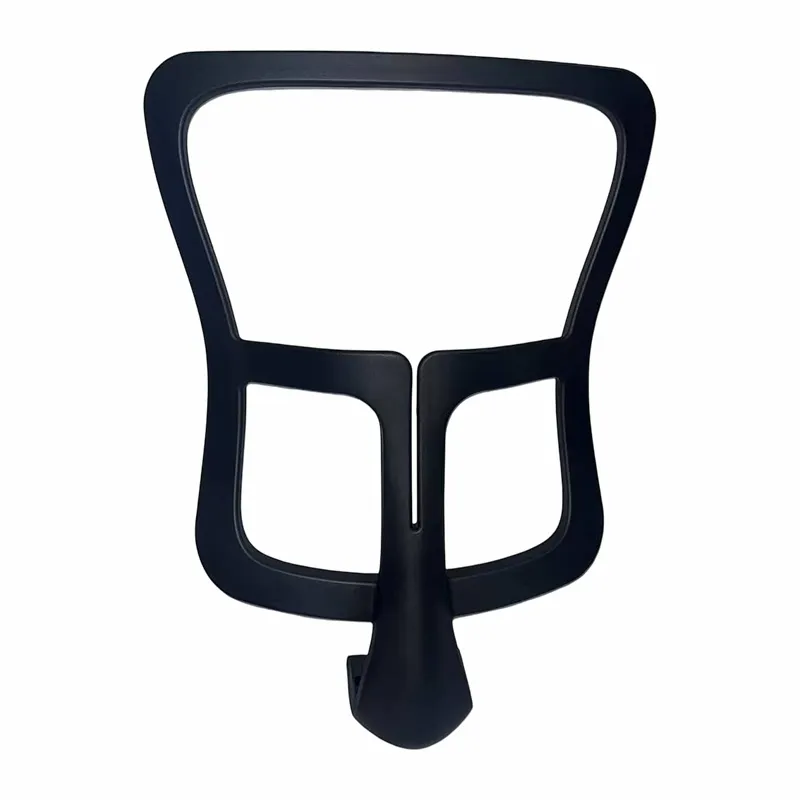
As a supplier of Mesh Chair Back Frames, I've had the privilege of delving deep into the world of chair components. One of the most frequently asked questions I encounter is about the elasticity of the mesh on a mesh chair back frame. In this blog, I'll explore this topic in detail, shedding light on what elasticity means in this context, its importance, and how it impacts the overall performance of a mesh chair.
Understanding Elasticity in Mesh Chair Back Frames
Elasticity, in the context of a mesh chair back frame, refers to the ability of the mesh material to stretch and return to its original shape when a force is applied and then removed. This property is crucial as it directly affects the comfort and support provided by the chair. A mesh with high elasticity can conform to the user's body shape, providing personalized support, while also allowing for movement without causing excessive strain on the material.
The elasticity of the mesh is determined by several factors, including the type of material used, the weave pattern, and the tension applied during manufacturing. Different materials have different inherent elastic properties. For example, some synthetic meshes are designed to be highly elastic, while others may be more rigid. The weave pattern also plays a role, as a looser weave may allow for more stretch, while a tighter weave may provide less elasticity but more durability.
Importance of Elasticity in Mesh Chair Back Frames
The elasticity of the mesh on a chair back frame has several important implications for both the user and the overall quality of the chair.
Comfort: A mesh with appropriate elasticity can conform to the natural curves of the user's back, providing support where it's needed most. This helps to reduce pressure points and fatigue, especially during long periods of sitting. For example, when a user leans back in the chair, the elastic mesh can stretch to accommodate the change in body position, maintaining a comfortable and supportive seating experience.
Movement: Elasticity allows for smooth and unrestricted movement. As the user shifts, twists, or leans in the chair, the mesh can stretch and contract accordingly, without feeling tight or restrictive. This is particularly important for tasks that require a lot of movement, such as typing or reaching for objects.
Durability: A mesh with good elasticity is less likely to tear or break under normal use. When the mesh can stretch and return to its original shape, it can withstand repeated stress and strain over time. This means that the chair will last longer and maintain its performance, providing a better return on investment for the user.
Factors Affecting Mesh Elasticity
Material Composition: Different materials have different elastic properties. For example, nylon is known for its high elasticity and strength, making it a popular choice for mesh chair back frames. Polyester, on the other hand, may have less elasticity but is more resistant to abrasion and fading. Some meshes are also made from a blend of materials to combine the best properties of each.
Weave Pattern: The way the mesh is woven can significantly affect its elasticity. A loose weave allows for more stretch, while a tight weave provides less elasticity but more stability. Manufacturers can adjust the weave pattern to achieve the desired level of elasticity and support.
Tension: The tension applied to the mesh during manufacturing also plays a role in its elasticity. If the mesh is too tightly tensioned, it may have less stretch and feel rigid. Conversely, if the tension is too loose, the mesh may sag and not provide adequate support. Finding the right balance is crucial for optimal performance.
Comparing Mesh Chair Back Frames with Other Types
In addition to mesh chair back frames, there are other types of chair back frames available, such as PP GF Chair Back Frame, Foam Chair Back Frame, and Nylon Chair Back Frame. Each type has its own unique characteristics and advantages.
PP GF Chair Back Frame: These frames are made from a combination of polypropylene (PP) and glass fiber (GF). They are known for their strength and durability, but may not offer the same level of elasticity as mesh frames. However, they can provide a more rigid and stable support structure.
Foam Chair Back Frame: Foam frames are soft and comfortable, providing a plush seating experience. However, they may not have the same level of breathability as mesh frames, and can become compressed over time, losing their shape and support.
Nylon Chair Back Frame: Nylon frames are similar to mesh frames in terms of elasticity, but may be more durable and resistant to wear and tear. They can provide a good balance of comfort and support, but may be more expensive than other types of frames.
How to Choose the Right Mesh Chair Back Frame
When choosing a mesh chair back frame, it's important to consider several factors, including the elasticity of the mesh, the overall quality of the frame, and the specific needs of the user.
Elasticity: Look for a mesh with appropriate elasticity for your needs. If you need a chair that provides a lot of support and conforms to your body shape, choose a mesh with high elasticity. If you prefer a more rigid and stable support, a mesh with less elasticity may be more suitable.
Quality: Pay attention to the quality of the frame and the mesh. Look for a frame that is made from high-quality materials and has a strong construction. The mesh should be durable and resistant to wear and tear.
User Needs: Consider the specific needs of the user. If the chair will be used for long periods of sitting, such as in an office environment, a chair with good elasticity and support is essential. If the chair will be used for more casual purposes, such as in a home setting, a chair with a more relaxed feel may be more appropriate.
Conclusion
The elasticity of the mesh on a mesh chair back frame is an important factor that affects the comfort, support, and durability of the chair. By understanding the factors that affect mesh elasticity and how to choose the right mesh chair back frame, you can ensure that you get a chair that meets your needs and provides a comfortable and supportive seating experience.
If you're interested in learning more about our Mesh Chair Back Frames or have any questions about the elasticity of our meshes, please don't hesitate to contact us. We'd be happy to discuss your specific requirements and help you find the perfect chair back frame for your needs.

References
- "Materials Science and Engineering: An Introduction" by William D. Callister Jr. and David G. Rethwisch
- "Ergonomics: Designing for People at Work" by Karwowski, Waldemar
- "The Handbook of Chair Design: Crafting Comfort and Function" by Peter Opsvik