

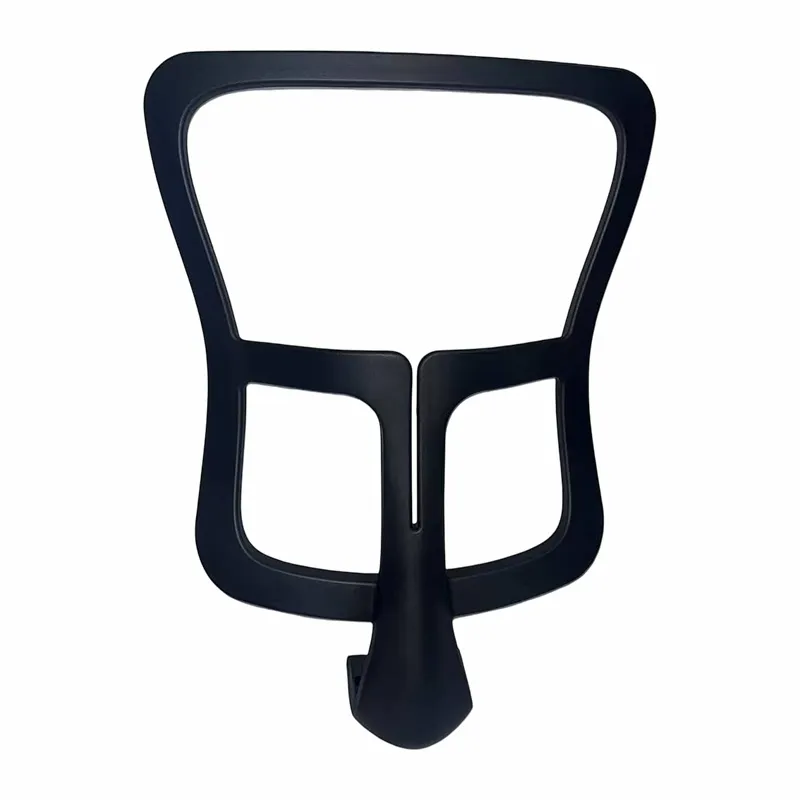
As a seasoned supplier of chair back frames, I've witnessed firsthand the widespread use of plastic in this industry. Plastic chair back frames are popular due to their affordability, lightweight nature, and ease of production. However, like any product, they come with their fair share of disadvantages. In this blog, I'll delve into the drawbacks of plastic chair back frames, providing insights for those considering purchasing or using them.
1. Durability Issues
One of the most significant disadvantages of plastic chair back frames is their relatively low durability compared to other materials. Plastic is prone to cracking, breaking, and warping over time, especially when exposed to stress or extreme temperatures.
- Cracking and Breaking: Plastic can become brittle, especially in cold environments. When a chair is frequently used or subjected to sudden impacts, the plastic frame may crack or break. For example, in an office setting where chairs are moved around regularly, the constant jostling can cause stress on the plastic frame, leading to cracks at weak points.
- Warping: High temperatures can cause plastic to warp. If a plastic chair is placed near a heat source such as a radiator or in direct sunlight for extended periods, the frame may lose its shape. This not only affects the aesthetics of the chair but also its functionality, as a warped frame may not provide proper support.
2. Environmental Impact
Plastic is a major environmental concern, and plastic chair back frames are no exception.
- Non - Biodegradability: Most plastics used in chair back frames are non - biodegradable, which means they can persist in the environment for hundreds of years. When these chairs reach the end of their life cycle, they often end up in landfills, contributing to the growing problem of plastic pollution.
- Resource Depletion: The production of plastic requires significant amounts of fossil fuels. Extracting and processing these resources have a negative impact on the environment, including habitat destruction and greenhouse gas emissions.
3. Comfort Limitations
Plastic chair back frames may not offer the same level of comfort as other materials.
- Lack of Flexibility: Plastic is generally less flexible than materials like foam or fabric. This lack of flexibility can make it difficult for the chair to conform to the user's body shape, leading to discomfort, especially during long periods of sitting.
- Heat Retention: Plastic has poor heat dissipation properties. When a person sits on a chair with a plastic back frame for an extended time, the heat generated by the body can become trapped, causing the user to feel hot and sweaty.
4. Aesthetic Limitations
While plastic can be molded into various shapes and colors, it may not have the same high - end look as other materials.
- Cheap Appearance: Plastic chairs can often give off a cheap or mass - produced appearance. In high - end office spaces or luxury settings, a plastic chair back frame may not fit the aesthetic requirements.
- Color Fading: Over time, the color of plastic can fade, especially when exposed to sunlight. This can make the chair look old and worn out, even if it is still in good working condition.
5. Chemical Concerns
Some plastics used in chair back frames may contain harmful chemicals.
- Toxic Additives: Plastics may be treated with additives such as flame retardants, which can be toxic. These chemicals can leach out over time, especially when the plastic is heated or damaged. Exposure to these chemicals can have negative health effects on users.
- Allergic Reactions: Some people may be allergic to certain types of plastics. Contact with a plastic chair back frame can cause skin irritation, rashes, or other allergic reactions.
Alternatives to Plastic Chair Back Frames
As a supplier, I understand the importance of offering alternatives to plastic chair back frames. Here are some options that may be more suitable for certain applications:
- Foam Chair Back Frame: Foam provides excellent comfort as it can conform to the user's body shape. It also has good heat dissipation properties, making it a more comfortable option for long - term sitting.
- PP GF Chair Back Frame: Polypropylene with glass fiber (PP GF) is a stronger and more durable alternative to regular plastic. It offers better resistance to cracking and warping, making it suitable for high - traffic areas.
- Nylon Chair Back Frame: Nylon is a strong and flexible material. It can provide good support and is less likely to crack or break compared to plastic. Nylon also has a more upscale appearance, making it a good choice for high - end applications.
Conclusion
While plastic chair back frames have their advantages, such as affordability and lightweight, they also come with several disadvantages. From durability issues and environmental concerns to comfort and aesthetic limitations, it's important to consider these factors when choosing a chair back frame. As a supplier, I'm committed to providing a range of options to meet the diverse needs of my customers. Whether you're looking for a cost - effective solution or a high - end, sustainable option, I can help you find the right chair back frame for your requirements.
If you're interested in learning more about our chair back frame products or have any questions, please feel free to reach out. We're here to assist you in making the best decision for your seating needs.

References
- "Plastic Pollution: A Global Crisis." National Geographic.
- "The Impact of Plastic on the Environment." Environmental Protection Agency.
- "Materials Science for Furniture Design." Journal of Furniture Research.